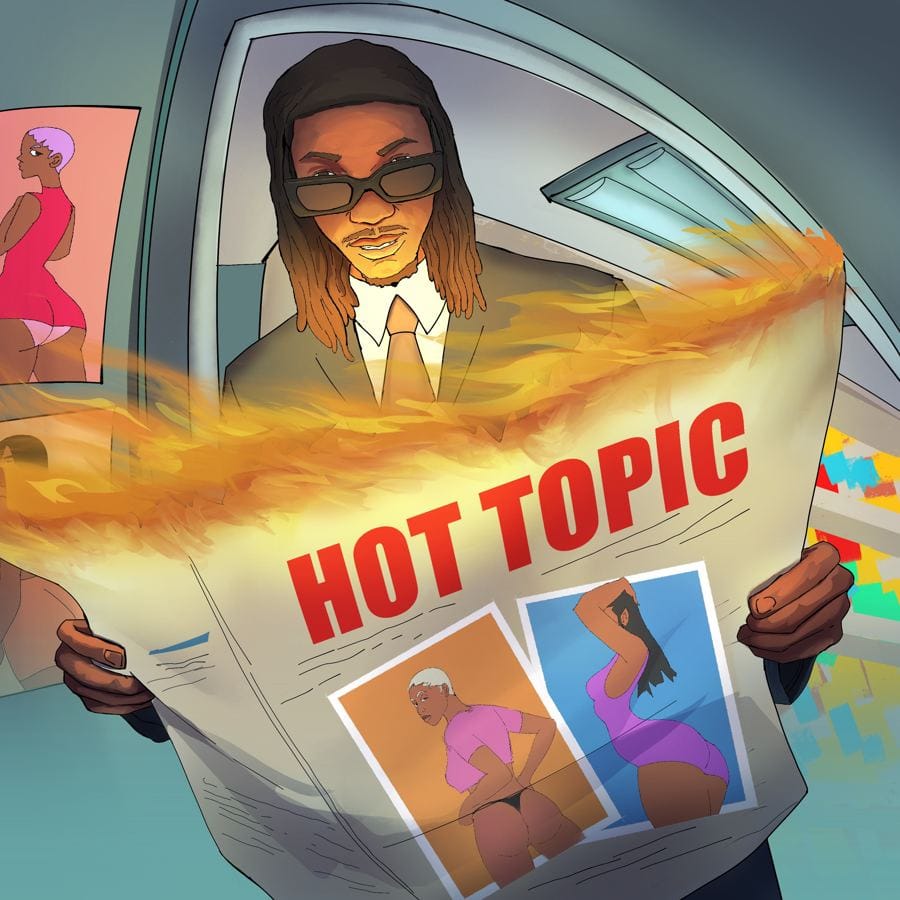
Most commission delays don't come from the artist — they come from a brief that has to be filled in piece by piece over several messages. The fix is simple: send everything upfront. Here's the actual checklist.
1. What You're Commissioning
State the format plainly: album cover, single/EP cover, manga volume cover, book cover, or standalone illustration. This alone determines format, dimensions, and typical turnaround.
2. Reference Images
Two to three pieces (any artist, any source) that capture the mood, color palette, or composition you want — not necessarily the subject matter, just the feel. This is the single highest-leverage thing you can include.
3. Exact Title and Name Text
If text needs to appear on the piece — an artist name, album title, or series title — send the exact spelling and capitalization. Don't leave this for later; typography is often planned into the composition from the start.
4. Any Fixed Visual Elements
Specific characters, objects, symbols, or colors that must appear. If a character already exists (from prior art, a comic series, or a game), send existing reference art of that character.
5. Format and Dimensions
Square for streaming platforms (3000x3000px is standard), a specific print size, or both. If you're not sure, say what the final piece will be used for and let the artist confirm the right spec.
6. Intended Use
Personal project, commercial release, merch, crowdfunding campaign — usage affects both pricing and the licensing terms you'll need.
7. Timeline
Your actual deadline, not a padded one. If there's flexibility, say so — it can affect scheduling and sometimes price.
8. Budget Range
A rough range (even "under $X" or "flexible for the right fit") saves both sides time compared to quoting blind and negotiating from scratch.
9. Mood/Tone in Your Own Words
Beyond references, a sentence or two on tone — dark and moody, bright and energetic, minimal and clean — helps the artist read your intent correctly, especially where references pull in slightly different directions.
10. Anything That's a Hard No
If there's a style, color, or element you specifically don't want, say so upfront. This is often more useful than a long list of what you do want.
Why This Matters More Than Picking "The Right" Artist
A strong brief gets a good result out of most competent artists. A vague brief creates friction even with a great one — extra rounds of clarifying questions, sketches built on guesses, and revisions that are really just filling in gaps that should've been in the first message.
Structured commission processes — like the one used for album, manga, and illustration work here — are typically built around exactly this kind of upfront brief, which is why having it ready before you reach out speeds up everything downstream: the quote, the sketch stage, and the final timeline.
Final Thoughts
None of this is complicated — it's just easy to skip when you're excited to get started. Ten minutes spent gathering references and answering these questions before your first message usually saves days of back-and-forth later.
Get Your Custom Artwork Stamped
Jhay Sanyay Studio handles custom cover art, manga/comic illustrations, and logo design from brief submission to final delivery. Fill out your job ticket below for a 48-hour quote.
FILL OUT JOB TICKET