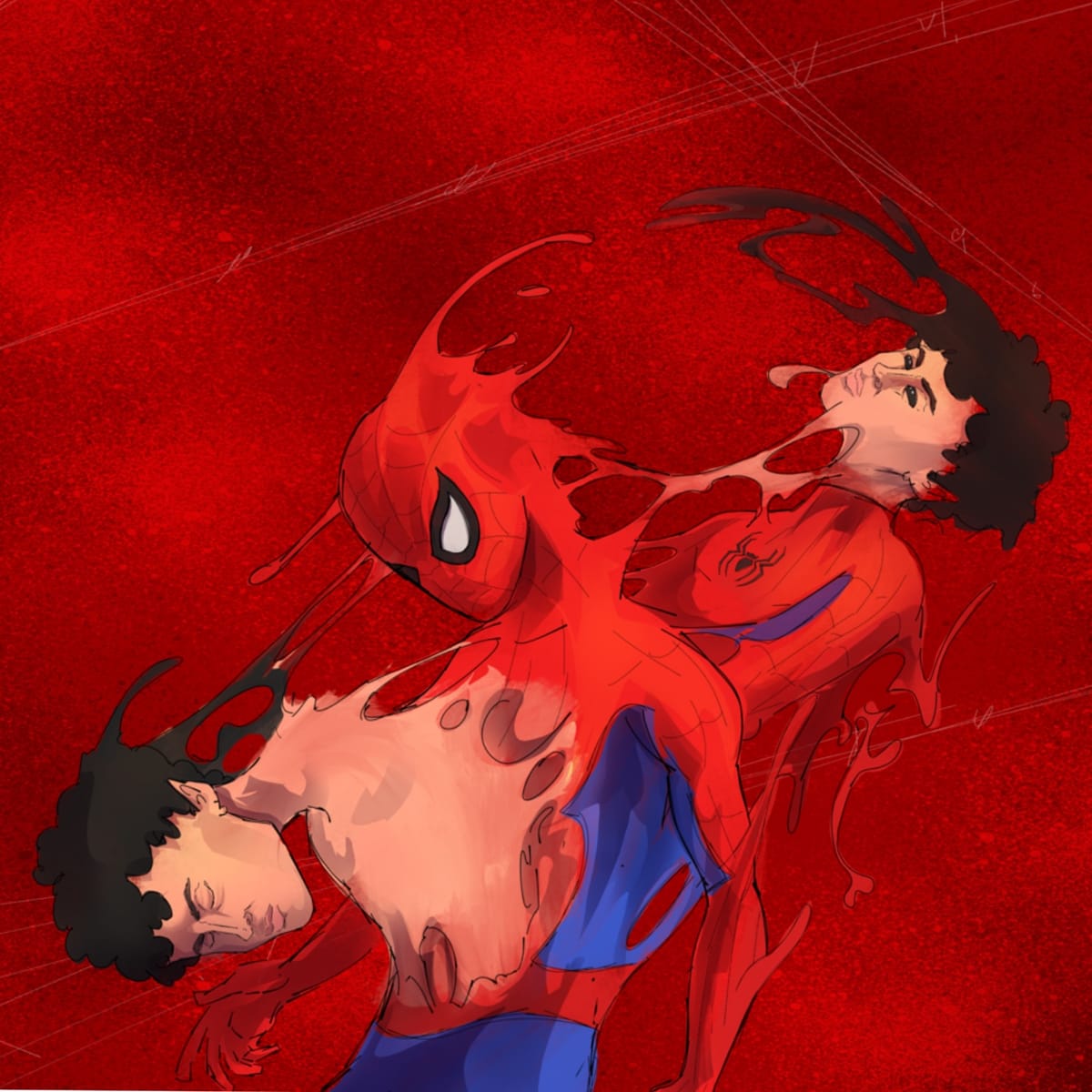
Not every commission starts with an album or a manga chapter. Sometimes you just want a piece — a character portrait, a personal avatar, concept art for a project that isn't fully defined yet, or a gift for someone. Custom illustration is one of the most flexible things you can commission, and also one of the easiest to get wrong if you go in without a plan.
Here's how to commission custom illustration online, from figuring out what you actually want to receiving the final file.
What Counts as "Custom Illustration"
Unlike album covers or manga covers, which have fairly fixed formats, custom illustration covers a wide range of requests:
Because the category is broad, being specific about which of these you want is the first thing that determines price, timeline, and which artist is actually the right fit.
Step 1: Figure Out What You're Actually Asking For
Before contacting an artist, answer these for yourself:
Artists often quote differently for personal-use pieces versus commercial ones, so being upfront about intended use avoids a renegotiation later.
Step 2: Build References Even for an Open-Ended Piece
Even a loosely defined commission benefits enormously from references. Bring:
Illustrators who also work across album covers and manga — such as Jhay Sanyay — bring the same structured process to open-ended illustration work, so a clear reference set still gets you a fast, accurate quote even without a fixed format.
Step 3: What Custom Illustration Typically Costs
Because scope varies more here than in fixed-format work, expect pricing to scale with:
| Factor | Effect on Price |
|---|---|
| Number of characters | Each additional character adds cost |
| Background complexity | Simple/no background is cheaper than a full scene |
| Detail level | Flat color vs. full rendering/lighting changes turnaround and price |
| Commercial usage rights | Commercial licensing typically costs more than personal use |
Turnaround for a single-character illustration is often 3–10 days depending on complexity; multi-character scenes can take 2+ weeks.
Step 4: What to Look for in an Illustrator
Step 5: The Process, Start to Finish
This is close to the same structure used for album and manga cover commissions — Jhay's commission page runs illustration work through this same brief-to-delivery flow, which keeps open-ended pieces from turning into open-ended timelines.
Common Mistakes
Final Thoughts
Custom illustration is the most flexible type of commission, which is exactly why it needs the most upfront clarity — on scope, usage, and references — to go smoothly. A good brief and a clear process turn an open-ended idea into a piece that actually matches what you had in mind.
If you're looking to commission custom illustration, character art, or concept work, Jhay Sanyay Studio takes on illustration commissions alongside album and manga cover work, with a structured process from brief to final delivery.
Get Your Custom Artwork Stamped
Jhay Sanyay Studio handles custom cover art, manga/comic illustrations, and logo design from brief submission to final delivery. Fill out your job ticket below for a 48-hour quote.
FILL OUT JOB TICKET