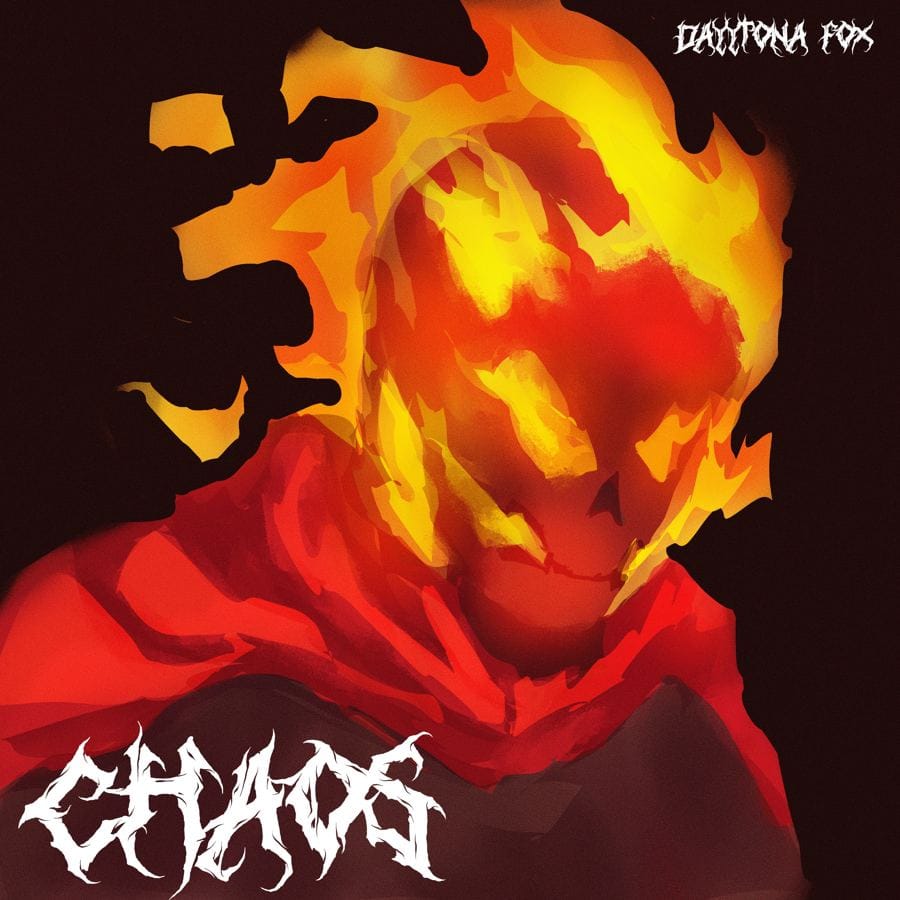
"Concept art" and "final cover art" sometimes get treated as the same commission at different polish levels — a rough version and a finished version of the same thing. They're not. They're solving different problems, and knowing which one you actually need saves both time and budget.
What Concept Art Actually Is
Concept art is exploratory. Its job is to answer questions that haven't been settled yet:
Concept art is typically looser, faster to produce, and often explores 2–3 directions rather than committing fully to one. It's a decision-making tool, not a finished deliverable.
What Final Cover Art Is
Final cover art assumes those questions are already answered. Character design, tone, and general direction are settled — the job now is execution: full rendering, correct dimensions and file specs, polish, and a single committed composition ready for actual use.
When You Need Concept Art First
When You Can Skip Straight to Final Art
A Practical Way to Decide
Ask: if the final piece came back and the direction was wrong, how expensive would that be to fix? If the answer is "very" — a series launch, a new artist's first visual identity, a big release — a concept phase is worth the extra step. If the answer is "not very" — a single with strong references and low stakes if a revision is needed — going straight to a normal commission with a sketch-approval stage is usually enough.
How This Fits Into a Normal Commission Process
Most structured commissions already include a sketch/composition approval stage, which does some of what concept art does — it's just narrower, checking one direction rather than exploring several. For projects with genuinely unresolved creative questions, a dedicated concept phase before the main commission — as offered through album, manga, and illustration work here — is worth treating as its own step rather than folding it into a single commission and hoping the first sketch lands right.
Final Thoughts
Concept art and final cover art aren't a "cheap version vs. expensive version" of the same thing — they answer different questions. Knowing which question you're actually trying to answer is what determines whether you need one, the other, or both.
Get Your Custom Artwork Stamped
Jhay Sanyay Studio handles custom cover art, manga/comic illustrations, and logo design from brief submission to final delivery. Fill out your job ticket below for a 48-hour quote.
FILL OUT JOB TICKET